Best Water Bottle for Everyday Use and Hydration Tips?
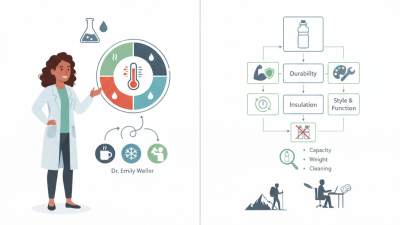
Choosing the right water bottle for everyday use can significantly impact your hydration habits. According to Dr. Emily Waters, a hydration expert, "A quality water bottle can encourage more regular water intake." This statement holds true for many individuals who struggle to stay adequately hydrated throughout the day.
A good water bottle should be both functional and aesthetically pleasing. Look for features such as size, material, and ease of cleaning. These aspects can affect not only your experience but also your motivation to drink more water. Remember, staying hydrated is vital for overall health, but sometimes our choices fall short.
Many people overlook the importance of carrying a water bottle in their daily routines. They may forget to refill it or leave it at home, leading to missed hydration opportunities. Reflecting on these choices can help you find a better routine. Ultimately, selecting the right water bottle is a small but necessary step toward a healthier lifestyle.
Best Features to Look for in Everyday Water Bottles
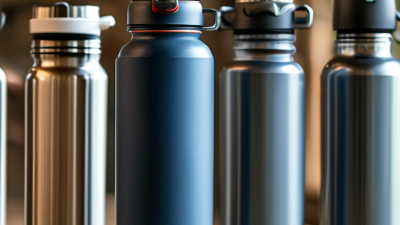
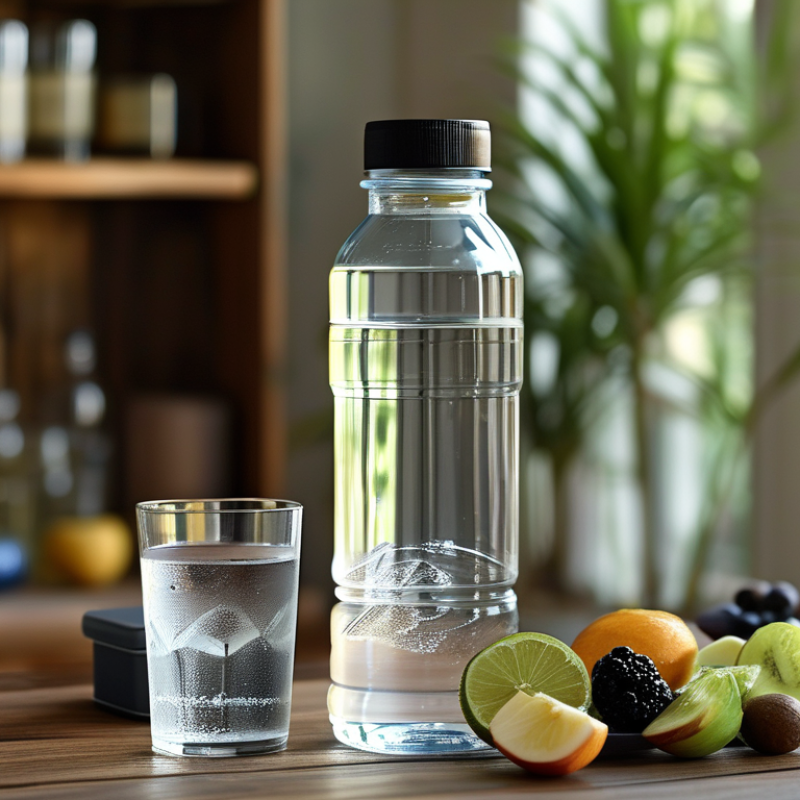
Finding the right water bottle for daily use can enhance your hydration experience significantly. One of the best features to consider is a leak-proof design. A good bottle should keep water secure during travel or daily movements. Look for materials such as stainless steel or BPA-free plastic for durability and safety. This choice can impact your long-term health.
Another key aspect is the size and capacity of the bottle. A bottle that holds between 16 and 24 ounces is often ideal for everyday carry. It balances portability and volume. Some people prefer a wider mouth for easy filling and cleaning. However, this can sometimes make it bulkier, so consider your lifestyle.
Additionally, check the insulation properties if you enjoy hot or cold beverages. Double-walled bottles help maintain temperature, improving your drinking experience. However, not everyone needs this feature; it’s more about personal preference. The design should be comfortable to hold, even for extended periods. Often, it’s in the details where the best choices lie. Reflect on what features matter most to you and how they fit into your daily routine.
Material Choices: Safety and Sustainability Considerations
Choosing the right material for a water bottle impacts both safety and environmental sustainability. According to the World Health Organization, plastic bottles can leach harmful chemicals like bisphenol A (BPA) into beverages. BPA exposure raises health concerns, including hormonal disruptions. These risks highlight the importance of selecting BPA-free materials, which many consumers now prioritize.
Stainless steel and glass are popular alternatives. Studies indicate that stainless steel bottles reduce the risk of contamination, are durable, and can be recycled. A report from the EPA reveals that stainless steel recycling saves significant energy compared to creating new products. On the other hand, glass is entirely recyclable and does not leach chemicals. However, glass bottles can be heavy and prone to breakage.
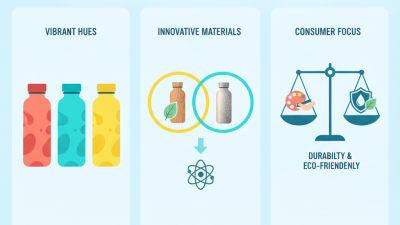
Despite these benefits, securing safety and sustainability is an evolving challenge. Some biodegradable plastics can manage waste but may not be suitable for repeated use. These materials often break down, affecting usability. Consumers should continually seek information on material advancements and environmental impacts. Balancing personal health and environmental responsibility remains an ongoing discussion.
Best Water Bottle for Everyday Use and Hydration Tips
| Material |
Safety Rating |
Sustainability |
Weight (g) |
Price ($) |
| Stainless Steel |
High |
Recyclable |
300 |
25 |
| BPA-Free Plastic |
Moderate |
Not Biodegradable |
150 |
15 |
| Glass |
High |
Recyclable |
400 |
30 |
| Silicone |
High |
Not Recyclable |
200 |
20 |
Daily Hydration Goals: How Much Water Should You Drink?
Daily hydration is crucial for maintaining overall health. But how much water should you drink every day? The general recommendation is about eight 8-ounce glasses, totaling around 2 liters or half a gallon. However, individual needs may vary based on lifestyle, age, and climate. Listening to your body is important. Thirst is your first signal; don't ignore it.
Creating a hydration routine is useful. Start your day with a glass of water. This kickstarts your metabolism and replenishes fluids lost overnight. Carrying a water bottle encourages consistent drinking throughout the day. Set reminders on your phone to take breaks and hydrate.
One common pitfall is only reaching for water when feeling thirsty. This can lead to dehydration. Aim to drink even when you're not thirsty. Herbal teas and infused water can make hydration more enjoyable. If you find plain water challenging, consider adding slices of lemon or cucumber for flavor. Regular check-ins on your hydration status can keep you on track.
Impact of Water Temperature on Hydration and Taste Preferences
Water temperature plays a crucial role in hydration and taste preferences. Studies have shown that many individuals prefer cooler temperatures, typically between 50 to 60 degrees Fahrenheit. A survey indicated that 70% of respondents felt more refreshed when drinking chilled water, which can enhance hydration efforts.
Conversely, some people opt for room temperature water, claiming it aids digestion and is easier to consume in larger quantities. The body might absorb cold water slower, leading to questions about hydration efficiency. Research suggests that water at approximately 60 degrees Fahrenheit could strike a balance between palatability and absorption speed.
While personal preference exists, it's essential to experiment with various temperatures to determine what feels best for your body. The way water tastes can significantly influence consumption, leading to a reflective conversation about hydration habits. A focus on achieving optimal hydration through enjoyable drinking experiences is vital. Adjusting water temperature could be an easy yet effective strategy to increase daily fluid intake.
Cleaning and Maintenance Tips for Long-Lasting Water Bottles
Cleaning and maintaining water bottles is essential for ensuring longevity and hygiene. A study from the Journal of Environmental Health found that reusable water bottles can harbor bacteria. In fact, 60% of bottle samples contained germs that could pose health risks. Regular cleaning prevents the buildup of these microorganisms. Use warm, soapy water to clean your bottle daily, especially after workouts or heavy use.
For deeper cleaning, consider a vinegar solution. Mix equal parts vinegar and water, and let it sit for a few hours. This method effectively eliminates odors and stains. A survey from the American Cleaning Institute revealed that 70% of people overlook proper bottle maintenance, which can lead to unpleasant experiences. Rinsing with hot water after each use can also help keep your bottle fresh, preventing residue buildup.
It’s crucial to examine your water bottle for wear and tear. Cracks or scratches can become breeding grounds for bacteria. If you notice any damage, it’s wise to replace the bottle. According to industry reports, about 30% of users fail to check this, putting their health at risk over time. Awareness and action can significantly improve your hydration routine and overall health.

 +86-13586927333
 CONTACT NUMBER
 CONTACT NUMBER